A detailed and absorbing account of Solomon Northup’s life story, having been born a free man in Saratoga, New York, then kidnapped, drugged and sold into slavery by unscrupulous traders. It is not a novel, but a true account and as such it lacks fluid structure and contains information and data which would not have been woven into a novel, especially in terms of the legal documents at the end of the story. However, it appears to be an account written by David Wilson in 1853 according to Solomon’s recollections, Solomon having only escaped in that same year. I have a couple of reservations, knowing this and being by nature cynical. The words are clearly not Solomon’s own, and at times are effuse and over-done, so how much of the content was exaggerated or fanciful? It would have been more interesting to have the story in Solomon’s own words: he was apparently, after all, a literate man, or so Wilson would have us believe. I am also puzzled about level of minute detail: did Solomon really recall all this, with many descriptions going back 12 years? And despite being in a very stressful situation? He was, after all, not allowed pen and paper to record anything. Or is much of it embellished by Wilson? There are several places in the narrative where I felt that it did not “ring true” to me and if, in fact, these were Wilson’s own additions, does this not detract from the authenticity and appeal? Were there really so many “kind” slave-owners and so much generosity in holidays and slave dances? It would be interesting to know. But yet the story is fascinating and an eye-opener into the shameful history of American slavery. It was also particularly interesting to me as I had read Tracey Chevalier’s The Last Runaway not long ago which deals with the same period of history, as a novel and which I really enjoyed. Enjoy is not the appropriate word for Twelve Years a Slave, harrowing as it is in many parts, but it is well worth a read.
We went to see the film of the book (Steve McQueen) yesterday and – well, what a powerful film! At the end there was not a sound in the auditorium, everyone was stunned to silence. Quite a recommendation in itself. It is certainly worthy of the accolades and awards it has so far won. Oscar quality – I hope!
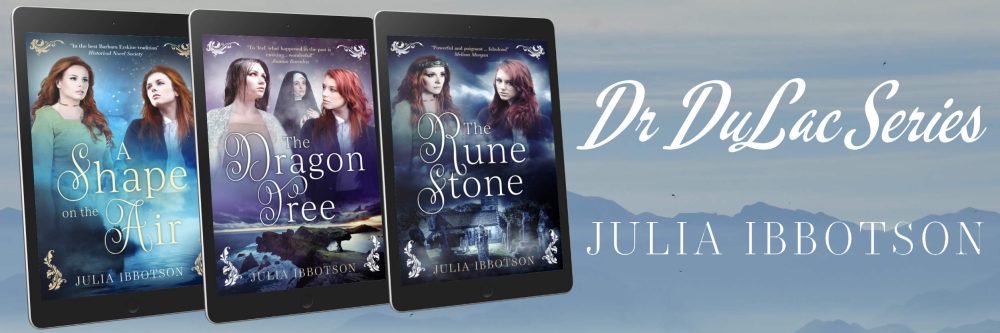
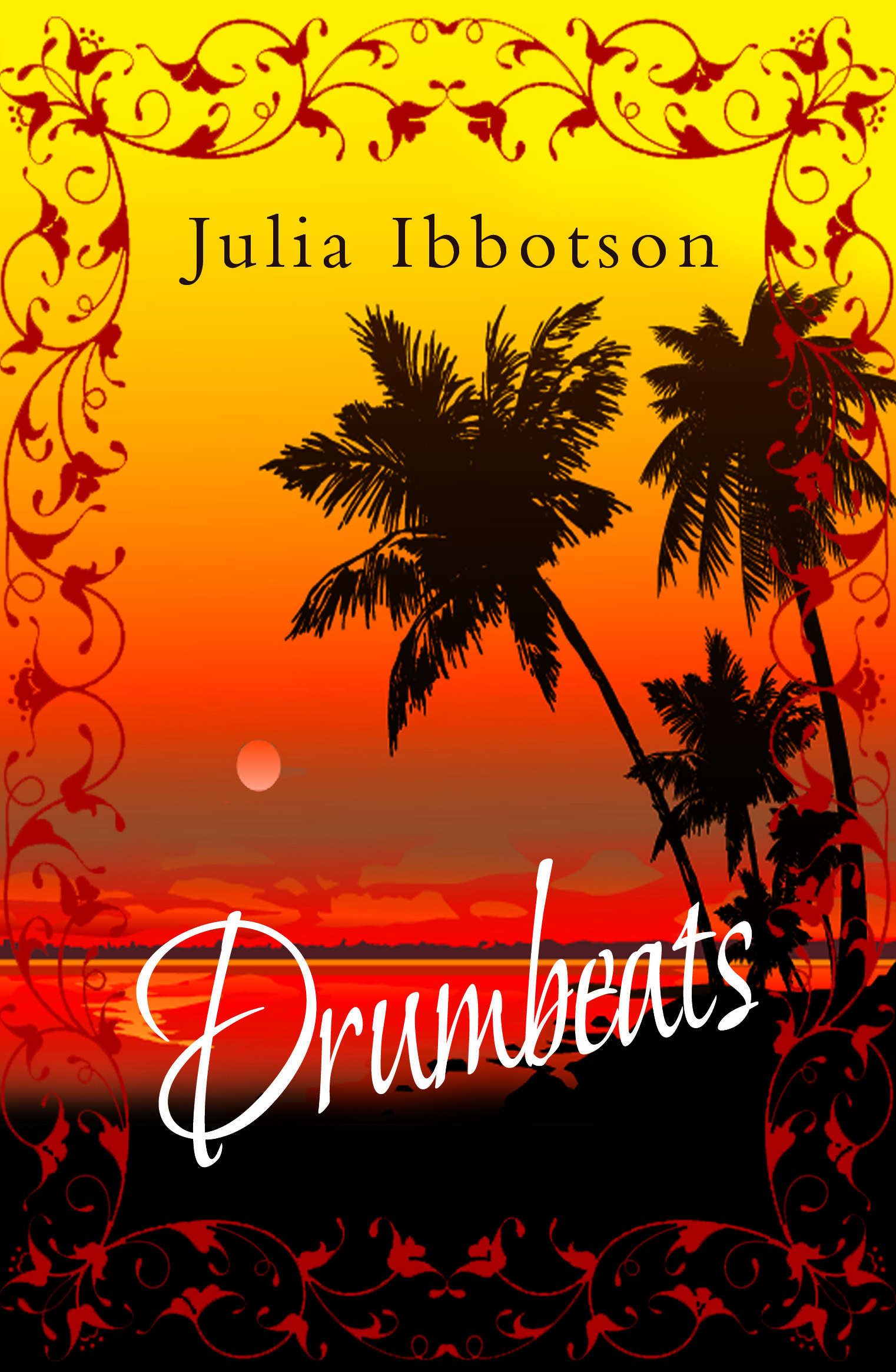 My new novel, Drumbeats, is the first of a trilogy following Jess through her life. Drumbeats starts it all off in the mid-1960s as eighteen year old English student, Jess, flees to West Africa on a gap year, escaping her stifling home background for freedom to become a volunteer teacher and nurse in the Ghanaian bush. Apprehensively, she leaves her first real romantic love behind in the UK, but will she be able to sustain the bond while she is away? With the idealism of youth, she hopes to find out who she really is, and do some good in the world, but little does she realise what, in reality, she will find that year: joys, horrors, tragedy. She must find her way on her own and learn what fate has in store for her, as she becomes embroiled in the poverty and turmoil of a small war-torn African nation under a controversial dictatorship. Jess must face the dangers of both civil war and unexpected romance. Can she escape her past or will it always haunt her?
 juliaibbotsonauthor